
Welcome! This tutorial focuses on mastering the present tense of -AR verbs in Spanish․ Learn to express daily actions and current activities‚ like “I listen to music” – Escucho música․
Spanish verbs are categorized into three main groups based on their infinitive endings: -AR‚ -ER‚ and -IR․ This tutorial will concentrate specifically on -AR verbs‚ which represent a significant portion of the Spanish vocabulary․ Understanding these verbs is crucial for building a solid foundation in Spanish grammar and conversational skills․
-AR verbs are characterized by their infinitive form ending in “-ar‚” such as hablar (to speak)‚ cantar (to sing)‚ and bailar (to dance)․ These verbs follow a predictable pattern when conjugated‚ making them relatively easy to learn for beginners․ The present tense is the first tense learners typically encounter‚ and mastering it unlocks the ability to discuss everyday actions and habits․
We use the present tense to describe actions happening now‚ or those that occur regularly․ For example‚ “I listen to music” translates to “Escucho música․” This tutorial will guide you through the process of recognizing‚ conjugating‚ and utilizing -AR verbs in the present tense‚ providing a clear and interactive learning experience․ We will explore subject pronouns‚ verb endings‚ and practical examples to ensure your comprehension․
What is the Present Tense in Spanish?
The present tense in Spanish‚ known as el presente‚ is a fundamental grammatical concept used to express a variety of actions and states․ It’s not limited to just “right now” as it often is in English․ In Spanish‚ the present tense encompasses actions happening at this very moment‚ habitual actions‚ general truths‚ and even future events that are scheduled or certain․
Think of it as a versatile tool for communicating what “is” happening․ For instance‚ “I listen to music” (Escucho música) describes a regular habit‚ not necessarily something occurring at this precise second․ Similarly‚ “The sun rises in the east” (El sol sale por el este) expresses a universal truth․
Understanding the nuances of the present tense is key to forming accurate and natural-sounding Spanish sentences․ It’s the building block for more complex tenses and a cornerstone of everyday conversation․ This tutorial will focus on applying this tense specifically to regular -AR verbs‚ providing a solid foundation for further grammatical exploration․ Mastering this tense will allow you to describe your daily routines and current activities with confidence․
Regular -AR Verb Endings
Regular -AR verbs follow a predictable pattern when conjugated in the present tense․ This makes them an excellent starting point for learning Spanish verb conjugations․ To conjugate a regular -AR verb‚ you first identify the stem – the part of the verb remaining after removing the -AR ending․ Then‚ you add the appropriate ending based on the subject pronoun․
Here’s a breakdown of the present tense endings for regular -AR verbs:
- Yo (I) – -o
- Tú (You‚ informal) – -as
- Él/Ella/Usted (He/She/You‚ formal) – -a
- Nosotros/Nosotras (We) – -amos
- Vosotros/Vosotras (You all‚ informal ⎻ Spain only) – -áis
- Ellos/Ellas/Ustedes (They/You all) – -an
For example‚ with the verb hablar (to speak)‚ you remove the -AR‚ leaving habl-․ Then‚ apply the endings: hablo‚ hablas‚ habla‚ hablamos‚ habláis‚ hablan․ Memorizing these endings is crucial for forming correct sentences and understanding spoken Spanish․ Consistent practice will solidify your understanding of this fundamental pattern․
Subject Pronouns in Spanish
Understanding Spanish subject pronouns is essential for correctly conjugating verbs‚ including those ending in -AR; These pronouns indicate who is performing the action․ Unlike English‚ Spanish often omits the subject pronoun when the verb conjugation clearly indicates the subject․ However‚ it’s important to learn them for clarity and when the subject isn’t obvious from the verb form․
Here’s a list of the Spanish subject pronouns:
- Yo – I
- Tú – You (informal‚ singular)
- Él – He
- Ella – She
- Usted – You (formal‚ singular)
- Nosotros – We (masculine or mixed gender)
- Nosotras – We (feminine)
- Vosotros – You all (informal‚ plural – primarily used in Spain)
- Vosotras – You all (informal‚ feminine‚ plural – primarily used in Spain)
- Ellos – They (masculine or mixed gender)
- Ellas – They (feminine)
- Ustedes – You all (formal‚ plural – used in Latin America and formally in Spain)
Pay attention to gender agreement‚ particularly with nosotros/nosotras and ellos/ellas․ Mastering these pronouns will significantly improve your ability to construct grammatically correct and understandable Spanish sentences when using -AR verbs․
Conjugating ‘Hablar’ (To Speak) — A Core Example
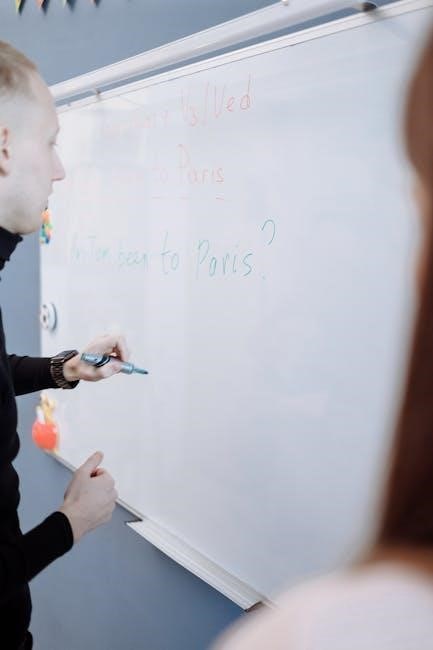
Let’s examine ‘hablar’ (to speak) as a foundational example of -AR verb conjugation in the present tense․ This will illustrate how the verb endings change based on the subject pronoun․ Understanding this pattern is crucial for conjugating all regular -AR verbs․
Here’s the complete conjugation of ‘hablar’:
- Yo hablo – I speak
- Tú hablas – You speak (informal)
- Él/Ella/Usted habla – He/She/You speak (formal)
- Nosotros/Nosotras hablamos – We speak
- Vosotros/Vosotras habláis – You all speak (informal‚ Spain)
- Ellos/Ellas/Ustedes hablan – They/You all speak (formal)
Notice how the -AR ending is dropped‚ and specific endings are added to the verb stem (‘habl-‘)․ These endings (-o‚ -as‚ -a‚ -amos‚ -áis‚ -an) are consistent for all regular -AR verbs in the present tense․ Practice reciting these conjugations aloud to internalize the patterns․ ‘Hablar’ serves as an excellent model for mastering this fundamental aspect of Spanish grammar‚ allowing you to confidently express yourself․
Pronunciation of -AR Verb Conjugations
Pronouncing -AR verb conjugations correctly is vital for clear communication in Spanish․ While the verb stem remains consistent‚ the endings subtly influence the sound․ Generally‚ Spanish pronunciation is phonetic – words are pronounced as they are written‚ but nuances exist․
The ‘-o’ ending (as in ‘hablo’) is pronounced like the ‘o’ in “go․” The ‘-as’ ending (as in ‘hablas’) sounds similar to ‘ah-s’․ The ‘-a’ ending (as in ‘habla’) is pronounced like the ‘a’ in “father․” For ‘hablamos‚’ the ‘amos’ sounds like ‘ah-mohs‚’ with a soft ‘s’ sound․
The ‘habláis’ ending (used primarily in Spain) presents a slight challenge․ It’s pronounced ‘ah-blahs‚’ with a clear ‘s’ sound․ Finally‚ ‘hablan’ sounds like ‘ah-blahn․’ Remember to roll your ‘r’s’ when they appear in the verb stem or endings․
Consistent practice and listening to native speakers will refine your pronunciation․ Don’t be afraid to mimic the sounds you hear․ Accurate pronunciation enhances comprehension and builds confidence in your Spanish speaking abilities․
Common -AR Verbs: A Starting List
Building a vocabulary of frequently used -AR verbs is crucial for forming basic sentences and engaging in everyday conversations․ Here’s a starting list to get you acquainted with some essential verbs and their meanings․ Mastering these will significantly boost your fluency․
Amar (to love): Expressing affection and strong emotions․ Caminar (to walk): Describing movement and daily routines․ Cantar (to sing): A popular verb for hobbies and entertainment․ Bailar (to dance): Another common leisure activity․ Estudiar (to study): Essential for academic contexts․
Hablar (to speak): Fundamental for communication․ Trabajar (to work): Describing professions and employment․ Viajar (to travel): Discussing journeys and exploration․ Escuchar (to listen): Important for comprehension and interaction․ Ayudar (to help): Demonstrating kindness and assistance․
These verbs are regularly encountered in Spanish‚ and understanding their conjugations will unlock a wealth of communicative possibilities․ Focus on incorporating them into your practice sentences and actively listening for them in spoken Spanish․ Expanding this list over time will accelerate your language learning journey․
‘Cantar’ (To Sing) — Practice Conjugation
Let’s put our knowledge into practice with the verb cantar (to sing)! Conjugating verbs is key to forming correct sentences․ Remember the -AR verb endings we discussed earlier․ Now‚ we’ll apply them specifically to cantar‚ creating different forms for each subject pronoun․
Yo canto (I sing) – Notice the -o ending․ Tú cantas (You sing – informal) – The -as ending is used․ Él/Ella/Usted canta (He/She/You sing – formal) – The -a ending applies here․ Nosotros/Nosotras cantamos (We sing) – We use -amos for the ‘we’ form․

Vosotros/Vosotras cantáis (You sing – informal‚ plural‚ Spain) – The -áis ending is specific to this form․ Ellos/Ellas/Ustedes cantan (They/You sing – plural) – Finally‚ -an completes the conjugation․
Practice saying these aloud! Repetition is vital․ Try creating simple sentences using each conjugation․ For example: “Yo canto en la ducha” (I sing in the shower)․ Consistent practice will solidify your understanding of cantar’s present tense forms․
‘Bailar’ (To Dance) — Practice Conjugation
Now‚ let’s move to another common -AR verb: bailar (to dance)․ Applying the present tense endings we’ve learned will allow you to express who is dancing and when․ Remember to focus on matching the correct ending to each subject pronoun․ This is crucial for accurate communication․
Yo bailo (I dance) – The -o ending signifies ‘I’․ Tú bailas (You dance – informal) – The -as ending is used for the informal ‘you’․ Él/Ella/Usted baila (He/She/You dance – formal) – The -a ending applies to these pronouns․ Nosotros/Nosotras bailamos (We dance) – -amos is the ‘we’ form ending․
Vosotros/Vosotras bailáis (You dance – informal‚ plural‚ Spain) – The -áis ending is unique to the Spanish ‘you all’ form․ Ellos/Ellas/Ustedes bailan (They/You dance – plural) – Finally‚ -an completes the conjugation for ‘they’ or formal ‘you all’․
Try constructing your own sentences! For instance‚ “Ella baila muy bien” (She dances very well)․ Consistent practice with bailar will reinforce your grasp of -AR verb conjugations and build your confidence in speaking Spanish․
‘Estudiar’ (To Study) ⎻ Practice Conjugation
Let’s solidify your understanding with estudiar (to study)․ This verb follows the same regular -AR conjugation pattern as hablar and bailar‚ making it excellent practice․ Remember‚ consistent application of the endings is key to fluency․ Focus on accurately pairing the verb stem with the appropriate pronoun ending․

Yo estudio (I study) – Notice the -o ending for the first-person singular․ Tú estudias (You study – informal) – The -as ending denotes the informal ‘you’․ Él/Ella/Usted estudia (He/She/You study – formal) – The -a ending is used for he‚ she‚ and formal you․ Nosotros/Nosotras estudiamos (We study) – -amos signifies ‘we’ are studying․
Vosotros/Vosotras estudiáis (You study – informal‚ plural‚ Spain) – The -áis ending is specific to the Spanish informal plural ‘you’․ Ellos/Ellas/Ustedes estudian (They/You study – plural) – -an completes the conjugation for ‘they’ or formal ‘you all’․
Now‚ create your own sentences! For example‚ “Nosotros estudiamos español” (We study Spanish)․ Regularly practicing with estudiar will strengthen your ability to conjugate -AR verbs and express your learning activities in Spanish․
Negative Sentences with -AR Verbs
Forming negative sentences in Spanish with -AR verbs is straightforward․ Simply place “no” before the conjugated verb․ This applies to all subject pronouns and maintains the regular conjugation pattern you’ve learned․ It’s a crucial skill for expressing what you don’t do‚ as opposed to what you do․
For example‚ consider hablar (to speak)․ Yo no hablo (I do not speak)․ Notice “no” precedes “hablo”․ Tú no hablas (You do not speak – informal)․ Él/Ella/Usted no habla (He/She/You do not speak – formal)․ The placement of “no” remains consistent regardless of the subject․
Continuing with our examples: Nosotros no hablamos (We do not speak)․ Vosotros/Vosotras no habláis (You do not speak – informal‚ plural‚ Spain)․ Ellos/Ellas/Ustedes no hablan (They/You do not speak – plural)․
Practice constructing negative sentences using estudiar and cantar․ For instance‚ “Ella no estudia matemáticas” (She does not study mathematics); Mastering this structure allows you to express denial or lack of action effectively in Spanish conversation․
Question Formation with -AR Verbs
Creating questions with -AR verbs in Spanish primarily involves intonation and‚ often‚ question words․ The basic structure mirrors a statement‚ but the tone rises at the end to indicate a question․ Alternatively‚ you can place a question mark (¿?) at the beginning and end of the sentence․
Let’s use hablar (to speak) as an example․ ¿Hablas español? (Do you speak Spanish?)․ Notice the question marks and the rising intonation implied․ ¿Habla usted? (Do you speak? – formal)․ The verb conjugation remains the same as in a declarative sentence․
To incorporate question words like qué (what)‚ cómo (how)‚ dónde (where)‚ and cuándo (when)‚ place them at the beginning of the sentence․ For example: ¿Qué hablas? (What are you speaking?)․ ¿Dónde estudias? (Where do you study?)․
Remember‚ the verb still agrees with the subject․ ¿Estudian ellos? (Do they study?)․ Practice forming questions using cantar and bailar․ Mastering question formation is vital for engaging in conversations and seeking information in Spanish․ Don’t forget those crucial question marks!
Using -AR Verbs to Describe Daily Routines
The present tense of -AR verbs is fundamental for discussing daily routines in Spanish․ We routinely use these verbs to articulate what we do regularly‚ forming the backbone of everyday conversation․ Think about actions like waking up‚ eating‚ working‚ or relaxing – all easily expressed with -AR verbs․

For instance‚ Yo me levanto a las siete (I wake up at seven)․ Tú estudias mucho (You study a lot)․ Nosotros cenamos juntos (We have dinner together)․ Notice how the verb conjugation changes to reflect the subject pronoun․ Reflexive verbs‚ often used in routines‚ require reflexive pronouns (me‚ te‚ se‚ nos‚ os‚ se)․
To build more complex sentences‚ combine -AR verbs with time expressions like cada día (every day)‚ siempre (always)‚ and a veces (sometimes)․ Siempre canto en la ducha (I always sing in the shower)․ A veces bailo con mi familia (Sometimes I dance with my family)․
Practice describing your daily routine using a variety of -AR verbs․ This exercise will solidify your understanding and boost your conversational fluency․ Focus on accuracy and incorporating common time phrases․
Interactive Exercises: Fill-in-the-Blanks

Test your knowledge! These fill-in-the-blank exercises will help you solidify your understanding of -AR verb conjugations in the present tense․ Carefully consider the subject pronoun and choose the correct verb ending․ Remember the regular -AR endings: -o‚ -as‚ -a‚ -amos‚ -áis‚ -an․
Instructions: Complete each sentence with the correct present tense form of the verb in parentheses․

- Yo ________ (hablar) español en la clase․
- Tú ________ (cantar) muy bien․
- Ella ________ (bailar) con su amigo․
- Nosotros ________ (estudiar) para el examen․
- Vosotros ________ (trabajar) en la oficina․
- Ellos ________ (escuchar) música rock․
Answer Key (hidden – check your work after completing the exercise):
- hablo
- cantas
- baila
- estudiamos
- trabajáis
- escuchan
Don’t be afraid to review the previous sections if you encounter difficulties․ Consistent practice is key to mastering verb conjugations!
Resources for Further Learning -AR Verbs
Continue your Spanish journey! Mastering the present tense of -AR verbs is a fantastic first step․ Here are some excellent resources to deepen your understanding and expand your skills․ Remember‚ consistent practice is crucial for fluency․
Online Platforms:
- Duolingo: Offers interactive lessons and gamified practice for Spanish grammar‚ including -AR verbs․
- SpanishDict: Provides comprehensive verb conjugations‚ example sentences‚ and pronunciation guides;
- StudySpanish․com: Features detailed grammar explanations and quizzes focused on Spanish verb tenses․
Textbooks & Workbooks: Consider supplementing your online learning with a dedicated Spanish textbook or workbook․ Look for materials that specifically address verb conjugations and provide ample practice exercises․
Language Exchange Partners: Connect with native Spanish speakers through language exchange websites or apps․ Practicing with a partner allows you to apply your knowledge in real-world conversations․
Immersive Experiences: Watch Spanish-language movies‚ TV shows‚ and listen to music to immerse yourself in the language and observe how -AR verbs are used naturally․