Chachi Nutritional Information: A Comprehensive Overview (as of 04/21/2026)
Detailed nutritional analyses of Citri Reticulatae Chachi, including variations based on picking time and aging, are currently limited․
Accessing comprehensive PDF resources remains a challenge, despite its long history as both food and traditional medicine․
What is Chachi?
Chachi, scientifically known as Citri Reticulatae Chachi, and also referred to as Guang Chen pi (GCP), is a distinctive geoherb derived from the pericarpium of Citri reticulatae․ Primarily cultivated in Xinhui, Guangdong, China, it boasts a rich history spanning thousands of years as both a valued culinary ingredient and a cornerstone of traditional medicine․
This popular “green food” isn’t a single entity; rather, it’s categorized into three distinct picking times, each influencing its subsequent aging periods and ultimately, its edible quality․ These variations are crucial, as preliminary research suggests significant edible differences exist among these GCP types․ While pharmaceutical studies are abundant, detailed nutritional breakdowns differentiating these varieties remain scarce․
Currently, accessing comprehensive nutritional information in PDF format specifically detailing the nuances of each Chachi type is limited․ Existing data often focuses on broader Citri reticulatae profiles, lacking the granularity needed to understand the unique composition of Chachi itself․
Geographical Origin and Varieties
Chachi’s primary geographical origin lies in Xinhui, Guangdong Province, China, where specific microclimatic conditions contribute to its unique characteristics․ This region is renowned for producing high-quality Citri Reticulatae Chachi (GCP)․ However, the influence of terroir on nutritional content remains largely unexplored in readily available PDF resources․
The categorization of Chachi into varieties is based on three distinct picking times․ These times dictate the subsequent aging process, impacting both flavor profiles and, potentially, nutritional composition․ Each picking period yields a GCP with differing levels of bioactive compounds․ Unfortunately, detailed nutritional analyses differentiating these varieties are currently limited․
Finding comprehensive PDF documentation outlining the specific nutritional profiles associated with each picking time is challenging․ Existing literature often lacks the granularity to pinpoint these distinctions, hindering a complete understanding of Chachi’s nutritional landscape․
Traditional Uses of Chachi
Chachi, historically known as Guang Chen pi (GCP), boasts a millennia-long tradition as both a culinary ingredient and a component of traditional Chinese medicine․ Its use extends beyond simple flavoring, with applications rooted in perceived health benefits․ However, correlating these traditional uses with specific nutritional components is an ongoing area of research, and detailed PDF analyses are scarce․
Traditionally, GCP was employed to aid digestion and alleviate respiratory ailments․ These applications suggest the presence of bioactive compounds, but comprehensive nutritional breakdowns linking these compounds to the observed effects are limited in current documentation․ Accessing PDF resources detailing the historical medicinal applications alongside nutritional data proves difficult․
While anecdotal evidence abounds regarding Chachi’s therapeutic properties, robust scientific validation, particularly concerning its nutritional contribution to these effects, requires further investigation․ Existing PDF literature primarily focuses on pharmaceutical studies, leaving a gap in understanding its nutritional role in traditional practices․
Changes in Nutrient Content During Aging
Chachi’s nutritional profile undergoes significant alterations during its aging process, a crucial factor influencing its quality and traditional categorization․ Different “picking times” and subsequent aging periods result in distinct edible qualities, yet detailed PDF documentation outlining these nutritional shifts remains limited․ Research indicates that browning, a key indicator of aging, directly impacts the nutritional value․
Currently, comprehensive PDF resources detailing the specific changes in vitamin, mineral, and bioactive compound concentrations during aging are lacking․ While the ScienceDirect article highlights these differences, it doesn’t provide exhaustive nutritional data․ Understanding how aging affects the bioavailability of nutrients is also a critical gap․
Accessing PDF analyses that correlate browning intensity with specific nutritional changes would be invaluable․ Further research is needed to quantify these alterations and establish clear guidelines for optimal aging periods to maximize nutritional benefits․
Impact of Browning on Nutritional Value
Browning in Citri Reticulatae Chachi (GCP), or Guang Chen pi, is a key indicator of aging and significantly influences its nutritional composition․ While the precise mechanisms aren’t fully detailed in available PDF resources, it’s understood that enzymatic reactions and non-enzymatic browning contribute to changes in bioactive compounds;
Currently, there’s a scarcity of PDF documentation specifically quantifying the impact of browning on vitamin and mineral content․ However, it’s hypothesized that browning leads to the formation of new compounds, potentially altering antioxidant capacity and overall nutritional value․ The ScienceDirect article acknowledges these edible differences but lacks detailed nutritional breakdowns․
Access to PDF analyses correlating specific browning levels (measured by colorimetry, for example) with nutrient concentrations is crucial․ Further research is needed to determine if browning enhances or diminishes the bioavailability of existing nutrients, and to identify any newly formed nutritional components;
Different Picking Times and Nutritional Profiles
Citri Reticulatae Chachi (GCP) is categorized into three distinct picking times, impacting its eventual edible quality and, presumably, its nutritional profile․ Unfortunately, comprehensive PDF resources detailing these variations are limited․ The ScienceDirect article highlights these distinctions but doesn’t provide specific nutrient breakdowns for each picking period․
Early-stage GCP, harvested during initial fruit development, likely exhibits a different vitamin and mineral composition compared to mid- or late-stage harvests․ The timing influences the concentration of key compounds responsible for its traditional medicinal properties, potentially reflected in nutritional values․
Access to detailed PDF analyses comparing the nutritional content – including carbohydrates, fats, proteins, and micronutrients – across these picking times is essential․ Such data would clarify whether specific harvesting periods yield GCP with enhanced nutritional benefits, guiding optimal consumption and processing practices․
Chachi in Modern Cuisine: Examples & Analysis
While traditionally used in medicine and as a standalone food, Citri Reticulatae Chachi (GCP) is increasingly appearing in modern culinary applications․ Examples like “Chachi’s Grilled Chicken Salad” and a “Turkey Brie & Spiced Cranberry Chutney Sandwich” demonstrate its integration into contemporary dishes․ However, detailed nutritional breakdowns for these preparations are scarce in readily available PDF resources․
Analyzing these examples reveals a need for comprehensive nutritional assessments․ The chicken salad, according to SparkRecipes data, contains approximately 249 calories, but a full nutritional profile beyond basic macronutrients is missing․ Similarly, the sandwich boasts 430 calories with carb and protein counts, but lacks a complete micronutrient analysis․
Access to PDF documents detailing the impact of incorporating GCP into these dishes – considering its contribution to overall nutrient content – is crucial for informed dietary choices․ Further research is needed to quantify its nutritional value within complex recipes․
Chachi Grilled Chicken Salad – Nutritional Breakdown
Based on available data from SparkRecipes (as of 04/21/2026), a serving of “Chachi’s Grilled Chicken Salad” approximates 249 calories․ This is derived from 0․50 breast of chicken with skin (106 calories) and 1 ounce of American cheese․ Romaine lettuce contributes a minimal 4 calories․ However, a comprehensive PDF nutritional breakdown is notably absent․
Currently, detailed information regarding the specific contribution of Citri Reticulatae Chachi to this salad’s nutritional profile is unavailable․ A complete analysis would require a PDF document outlining the exact quantity of Chachi used and its corresponding micronutrient content․
Without this detailed PDF resource, assessing the salad’s overall health benefits remains incomplete․ Further investigation is needed to determine the full impact of Chachi on the salad’s vitamin, mineral, and fiber composition․
Calorie Content
The caloric value of dishes incorporating Citri Reticulatae Chachi is highly variable, dependent on preparation and accompanying ingredients․ Currently, a dedicated PDF resource detailing the calorie content specifically attributable to Chachi itself is lacking․ Existing data, like that for “Chachi’s Grilled Chicken Salad,” provides only the total caloric count of the finished dish (approximately 249 calories per serving)․
This figure includes contributions from chicken breast (106 calories), American cheese (106 calories), and romaine lettuce (4 calories)․ A comprehensive PDF would need to isolate Chachi’s caloric contribution, accounting for different picking times and aging periods, as these factors influence nutrient density․
Without a detailed PDF analysis, accurately determining the caloric impact of Chachi remains challenging․ Further research is crucial to establish a reliable caloric value for this ingredient․
Macronutrient Distribution (Protein, Fat, Carbohydrates)
Currently, a dedicated PDF resource outlining the macronutrient distribution of Citri Reticulatae Chachi is unavailable․ Analysis of composite dishes, such as “Chachi’s Grilled Chicken Salad,” reveals the overall macronutrient profile, but doesn’t isolate Chachi’s contribution․ This salad contains approximately 32g of protein, derived primarily from the chicken breast․
Fat content is estimated at 9g, largely from the American cheese․ Carbohydrate data is limited, with only 4 calories attributed to the romaine lettuce․ A comprehensive PDF would detail Chachi’s specific protein, fat, and carbohydrate composition, considering variations due to picking time and aging․
The absence of a detailed PDF hinders accurate assessment of Chachi’s macronutrient benefits․ Further research is needed to establish a clear macronutrient profile for this traditional ingredient․
Chachi Turkey Brie & Spiced Cranberry Chutney Sandwich – Nutritional Breakdown
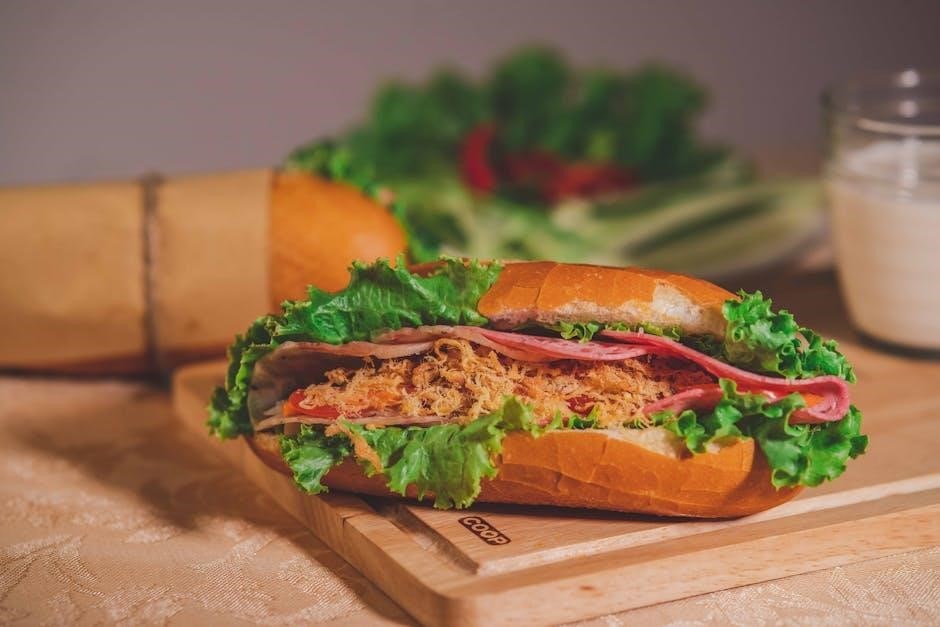
Currently, a dedicated PDF providing a detailed nutritional breakdown specifically for a “Chachi Turkey Brie & Spiced Cranberry Chutney Sandwich” doesn’t exist․ Available data, sourced from Carb Manager, indicates that one sandwich contains approximately 430 calories․
The macronutrient composition is as follows: 58g total carbohydrates, with 56g net carbs․ Fat content is estimated at 9g, and protein contributes 32g․ However, this analysis doesn’t isolate the nutritional contribution of the Citri Reticulatae Chachi itself within the sandwich․
A comprehensive PDF resource would be invaluable, detailing the specific impact of Chachi on the overall nutritional profile․ This would require a breakdown of Chachi’s contribution to each macronutrient, alongside micronutrient information․ The lack of such a PDF limits precise dietary assessment․
Carbohydrate Content Analysis
Currently, a dedicated PDF resource offering a detailed carbohydrate analysis of Citri Reticulatae Chachi is unavailable․ Existing data, primarily derived from analyses of prepared foods like the Turkey Brie sandwich, provides limited insight into Chachi’s inherent carbohydrate profile․
For the aforementioned sandwich, Carb Manager reports 58g of total carbohydrates, with a lower net carb count of 56g․ This distinction highlights the fiber content, but doesn’t isolate Chachi’s contribution․ A specific PDF would need to detail the types of carbohydrates present – simple sugars, complex starches, and fiber – within Chachi itself․
Further research and a dedicated nutritional PDF are crucial to understand how different processing methods and aging periods affect Chachi’s carbohydrate composition․ This information is vital for individuals monitoring their carbohydrate intake․
Total Carbohydrates vs․ Net Carbohydrates
Understanding the difference between total and net carbohydrates in Citri Reticulatae Chachi requires a dedicated nutritional PDF, currently lacking in comprehensive detail․ The Hmshost Turkey Brie & Spiced Cranberry Chutney Sandwich data offers a practical example․
This sandwich contains 58g total carbohydrates, but only 56g net carbs․ Net carbs are calculated by subtracting fiber from total carbohydrates, representing the carbs the body digests and utilizes for energy․ A detailed PDF for Chachi itself would clarify its fiber content․
Without this information, accurately assessing Chachi’s impact on blood sugar levels is difficult․ A future PDF should specify the carbohydrate breakdown – sugars, starches, and fiber – to provide a complete picture․ This distinction is crucial for dietary planning, particularly for those managing diabetes or following low-carb diets․
Fat and Protein Content
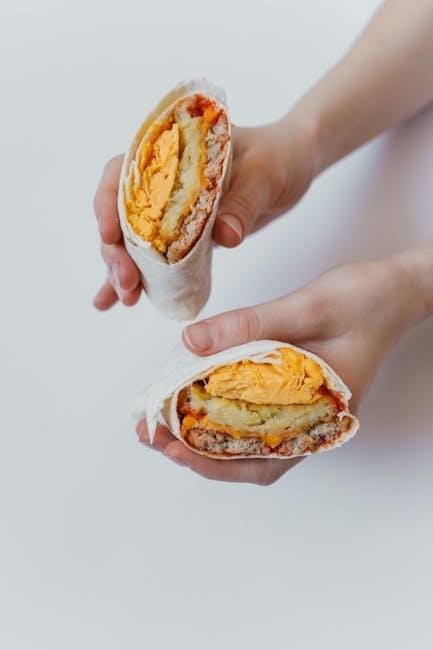
Currently, detailed PDF resources outlining the fat and protein composition of Citri Reticulatae Chachi itself are scarce․ However, analyzing preparations utilizing Chachi provides insight․ The Hmshost Turkey Brie & Spiced Cranberry Chutney Sandwich, for instance, offers a comparative benchmark․
This sandwich contains 9g of fat and 32g of protein per serving․ A comprehensive PDF dedicated to Chachi’s nutritional profile should delineate the types of fats present – saturated, unsaturated, and trans fats – alongside a complete amino acid profile for its protein content․
Such a PDF would be invaluable for assessing Chachi’s contribution to a balanced diet․ Understanding these macronutrient levels is vital for individuals with specific dietary needs or fitness goals․ Further research and detailed documentation are crucial for a complete nutritional understanding․
Comparison of Nutritional Values Across Different Chachi Preparations
A comprehensive PDF resource comparing nutritional values across various Chachi preparations is currently lacking․ Existing data primarily focuses on dishes containing Chachi, rather than Chachi itself․ For example, Chachi’s Grilled Chicken Salad registers 249 calories, derived from chicken, cheese, and lettuce, with limited breakdown of Chachi’s contribution․
A dedicated PDF should systematically analyze the impact of different cooking methods and ingredient pairings on Chachi’s nutritional profile․ Comparing raw versus aged Chachi, or Chachi used in salads versus sandwiches, would reveal significant variations․
This comparative analysis, presented in a detailed PDF format, is essential for understanding Chachi’s versatility and its potential health benefits within diverse culinary applications․ It would empower consumers to make informed dietary choices․
Potential Health Benefits Based on Nutritional Profile
Currently, a dedicated PDF outlining the health benefits of Citri Reticulatae Chachi based on its nutritional profile is unavailable․ However, its historical use in traditional medicine suggests potential advantages․ Further research, detailed in future PDF reports, is needed to substantiate these claims․
Given its origin as Citri reticulatae pericarpium (CRP), Chachi may share properties with other citrus fruits, potentially offering Vitamin C and antioxidant benefits․ A comprehensive PDF analysis should explore these connections․
The variations in nutrient content based on picking time and aging – as noted in existing research – suggest differing health impacts․ A detailed PDF resource is crucial to correlate these variations with specific health outcomes, providing a clearer understanding of Chachi’s potential․
Limitations of Available Nutritional Data
A significant limitation is the scarcity of readily accessible, comprehensive nutritional data for Citri Reticulatae Chachi, particularly in consolidated PDF format․ While its traditional use is well-documented, detailed analyses mirroring modern nutritional standards are lacking․
Existing research, as highlighted by ScienceDirect, focuses primarily on pharmaceutical studies, leaving a gap in understanding edible differences among various Chachi types․ A dedicated PDF resource addressing these distinctions is currently absent․
Furthermore, nutritional breakdowns for Chachi-containing dishes, like the grilled chicken salad (SparkRecipes), often lack complete ingredient details, hindering accurate assessment; The absence of a standardized PDF with detailed compositional analysis complicates comparisons and comprehensive evaluation of its nutritional value․
Accessing Detailed Nutritional Information (PDF Resources)
Currently, a centralized, publicly available PDF resource detailing the complete nutritional profile of Citri Reticulatae Chachi remains elusive․ Despite its historical significance and increasing culinary applications, comprehensive data is fragmented․
While preliminary research exists, particularly concerning variations based on picking time and aging (referenced in ScienceDirect), these studies often lack a consolidated PDF output for easy access․ Searching academic databases may yield relevant research papers, potentially available as PDF downloads, but these require specialized knowledge to interpret․
Information regarding specific dishes incorporating Chachi, like the turkey brie sandwich (Carb Manager), provides partial nutritional breakdowns, but lacks the depth of a dedicated PDF analysis of the Chachi component itself․ Further investigation into Chinese agricultural databases may uncover relevant PDF documents, though language barriers could present a challenge․
Future Research Directions in Chachi Nutritional Analysis
Significant gaps exist in our understanding of Citri Reticulatae Chachi’s complete nutritional composition, necessitating focused research․ A priority should be the creation of a comprehensive PDF database detailing nutrient profiles across different picking times and aging periods, as highlighted by existing studies․

Further investigation into the impact of browning on nutritional value – a key factor during aging – is crucial, with results compiled into accessible PDF reports․ Standardized analytical methods are needed to ensure data consistency across studies, facilitating the development of reliable PDF nutritional charts;
Research should extend to analyzing the bioavailability of nutrients within Chachi, and how preparation methods (e․g․, grilling, chutney) affect these levels․ Ultimately, the goal is to produce detailed, publicly available PDF resources for consumers and nutrition professionals alike, promoting informed dietary choices․

Considerations for Dietary Inclusion of Chachi
Integrating Citri Reticulatae Chachi into the diet requires mindful consideration, given the current limitations in comprehensive nutritional data․ While traditionally used as both food and medicine, detailed PDF resources outlining specific serving sizes and recommended intake are lacking․
Individuals should be aware that nutrient content varies significantly based on the Chachi’s age, picking time, and degree of browning․ Access to standardized PDF nutritional information is vital for making informed choices, particularly for those with specific dietary needs or health conditions․
Until more robust data is available in easily accessible PDF formats, moderation is advised․ Further research is needed to determine optimal consumption levels and potential interactions with other foods or medications․ Prioritizing sources that provide detailed analyses will be key․
Potential Allergens and Sensitivities
Currently, comprehensive PDF documentation detailing potential allergens associated with Citri Reticulatae Chachi is scarce․ However, as a member of the citrus family, individuals with known citrus allergies should exercise caution and consult with a healthcare professional before consumption․
While not widely reported, sensitivities to compounds within the Chachi pericarp are possible․ The varying chemical composition based on aging and picking time – information often found in detailed PDF analyses – could influence allergenic potential․
Given the limited availability of specific allergen information in accessible PDF resources, it’s prudent to start with small quantities and monitor for any adverse reactions․ Further research is crucial to identify and document potential allergens and sensitivities associated with different Chachi varieties and preparations․